
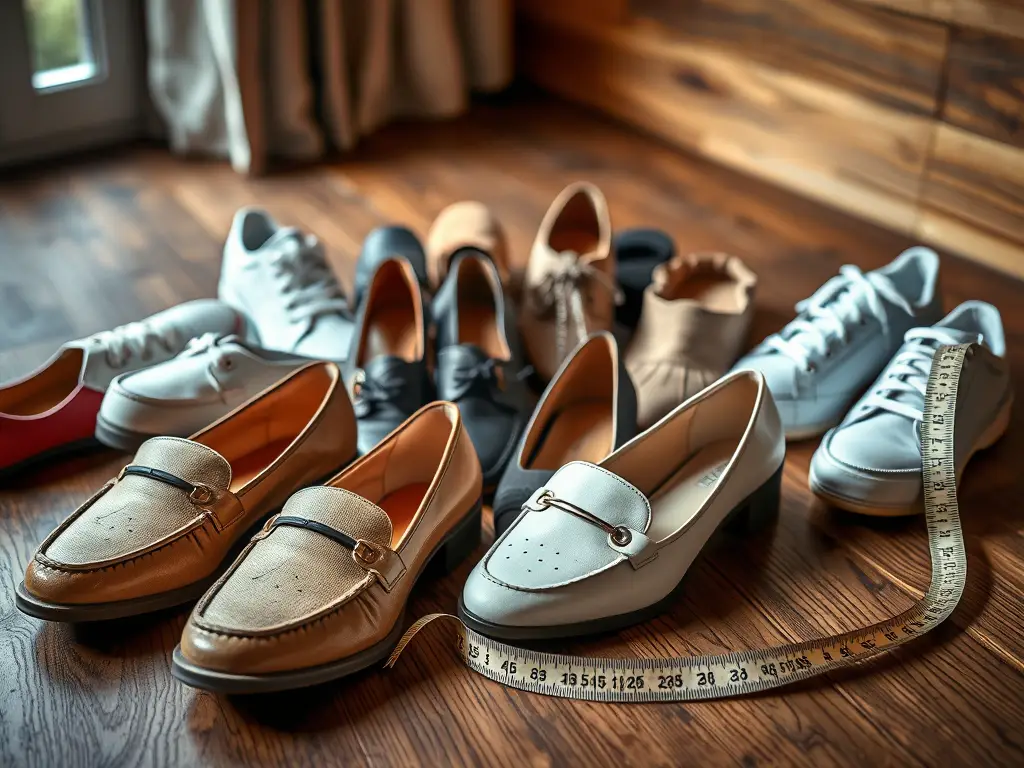
To buy the best ladies’ shoes, prioritize a blend of comfort, proper fit, quality materials, and suitability for the intended occasion. The most crucial factor is that the shoe should conform to the shape of your foot, not the other way around.
The Ultimate Guide to Buying the Best Ladies’ Shoes
Prioritize Fit and Comfort:
Fit and comfort are non-negotiable for foot health and overall well-being. Feet naturally swell throughout the day. Trying on shoes when your feet are at their largest ensures they will be comfortable all day long.
If you plan to buy shoes from an online store like https://shefam.com, order a shoe one size larger than your foot size when placing your order.
Measure Both Feet:
Your feet are rarely the exact same size. Always have both feet measured, and buy the size that fits the larger foot.
Wiggle Room for Toes:
Ensure there is about a thumb’s width (a quarter- to a half-inch) of space between your longest toe and the end of the shoe.
Try on Both Shoes and Walk Around: Stand and walk on a hard surface in both shoes to test how they feel. Check for any rubbing, pinching, or slippage at the heel.
Don’t Rely on “Breaking In”: A quality shoe should fit comfortably from the start. Do not rationalize that it will stretch or break in over time.
Match the Shoe to the Occasion and Lifestyle:
Different activities require different types of support and cushioning.
Everyday Wear: Loafers, flats, or quality sneakers with good cushioning are ideal for long days on your feet.
Formal Events: Heels are appropriate, but choose a heel height you are comfortable walking in. Block heels offer a better balance of style and comfort than stilettos.
Outdoor Activities/Sports: Invest in activity-specific shoes (e.g., running shoes for running) made with light, breathable materials and shock-absorbing midsoles.
By keeping these factors in mind, you can invest in quality footwear that makes you look and feel your best, ensuring comfort and style go hand-in-hand.
Focus on Material Quality:
High-quality materials ensure durability, breathability, and better foot health.
Natural Fabrics are Best: Opt for natural materials like leather or suede, which breathe well and can mold to the contour of your foot over time.
Avoid Irritating Seams: Feel the inside of the shoe for any tags, seams, or rough edges that might cause blisters or irritation.
Check the Sole: Look for a sturdy sole with good traction to prevent slipping. Rubber is a good option for flexibility and shock absorption.
Evaluate Support and Flexibility:
Good support helps maintain proper posture and reduces strain on your feet and joints.
Arch Support: Look for shoes with a cushioned insole and adequate arch support, especially if you stand or walk for long periods.
Test Flexibility: A good shoe should be firm but still offer some resistance when you try to bend the toe and heel toward each other (it shouldn’t fold completely in half).
Firm Heel Counter: The heel of the shoe should be firmly supported and not slip off easily when you walk. Laces typically offer better support and hold your foot in place more securely than slip-ons.